


Why HVAC System Inspections Are Essential for Your Home: Benefits, Costs, and Maintenance
A professional HVAC system inspection is a systematic review of heating, ventilation, and air conditioning components to confirm safe operation, peak efficiency, and documented maintenance. Regular inspections identify failing parts, correct refrigerant or airflow problems, and verify safety systems such as combustion venting and carbon monoxide detection, producing measurable energy savings and reduced risk. Homeowners will learn why inspections matter, what technicians check, how often to schedule service in Idaho and Oregon climates, and the local costs versus long-term value. This article explains the key benefits—energy efficiency, longer equipment life, improved indoor air quality, safety, and warranty preservation—then walks through a technician’s checklist, recommended inspection frequency, local cost expectations, and how maintenance plans support ongoing inspections. Throughout, semantic best practices and practical checklists help homeowners make informed decisions and connect those decisions to service options available from local providers who emphasize certified technicians and energy efficiency.
HVAC System Inspections: Ensuring Safe Operation and Peak Efficiency
A professional HVAC system inspection is a systematic review of heating, ventilation, and air conditioning components to confirm safe operation, peak efficiency, and documented maintenance. Regular inspections identify failing parts, correct refrigerant or airflow problems, and verify safety systems such as combustion venting and carbon monoxide detection, producing measurable energy savings and reduced risk.
Expert Meeting Report: HVAC Fault Detection, Diagnosis, and Repair/Replacement, 2016
What Are the Key Benefits of Regular HVAC Maintenance and Inspections?
Regular HVAC inspections reduce energy waste, prevent major failures, and maintain indoor air quality by addressing root causes before they escalate. Inspections identify dirty or clogged filters, fouled coils, incorrect refrigerant charge, and failing electrical components, which together directly affect system efficiency and operating costs. The mechanism is straightforward: improved airflow and correct component operation reduces compressor and fan runtime, which lowers energy consumption and stabilizes comfort levels. Routine service also documents condition for warranty compliance and creates a record that supports future claims, while safety checks reduce risk from combustion appliances and carbon monoxide leaks.
Inspections deliver several measurable homeowner outcomes, including percent reductions in energy draw and deferred capital replacement, and they improve occupant health by reducing particulate and moisture-related issues. For homeowners considering action, engaging a local team that understands Idaho and Oregon cooling loads ensures pre-season tuning before peak demands. Attract and convert potential customers by providing clear information, demonstrating expertise, and facilitating service bookings.
This table summarizes typical measurable benefits and example values so homeowners can compare expected returns.
The table shows how inspections connect technical fixes to homeowner value, and these outcomes explain why scheduling routine checks is a cost-effective preventative strategy.
How Do HVAC Inspections Improve Energy Efficiency and Lower Bills?
An HVAC inspection improves energy efficiency by correcting component-level inefficiencies that cause extra runtime and poor heat transfer. Technicians clean coils, replace or recommend filter changes, verify refrigerant charge, and balance airflow so the system reaches setpoints with less energy; each action reduces wasted cycles and compressor strain. For Idaho and Oregon homes that rely heavily on cooling during hotter months, pre-summer inspections reduce peak-demand runtime and help avoid inefficient emergency overrides. Energy savings are a direct outcome: smaller percentage reductions compound over seasons, lowering cumulative utility spend.
Practical actions taken during an inspection are especially impactful when combined—clean coils plus correct refrigerant and proper airflow produce outsized efficiency gains compared to any single fix. Understanding these mechanisms clarifies why preventative inspections should be part of a home’s energy management plan and why scheduling before seasonal peaks matters for measurable bill reductions.
In What Ways Do Inspections Extend Your HVAC System’s Lifespan?
Regular inspections slow component degradation by identifying early signs of wear and correcting stressors such as motor overheating, unbalanced loads, or low refrigerant that cause compressors to run harder. By replacing worn capacitors, tightening electrical connections, and ensuring lubrication and proper belt tension where applicable, inspections mitigate premature mechanical failures. Manufacturers design systems to operate within certain tolerances; maintaining those tolerances reduces failure rates and delays expensive replacements like compressor or heat exchanger swaps. For homeowners, the practical result is fewer emergency replacements and more predictable capital planning for system upgrades.
Documented maintenance also helps prioritize repairs early, enabling inexpensive interventions instead of catastrophic failures, and that predictable service cadence supports reliable system longevity. As a result, inspections act as both a technical intervention and a lifecycle-management strategy for home HVAC assets.
What Does a Professional HVAC System Inspection Include?
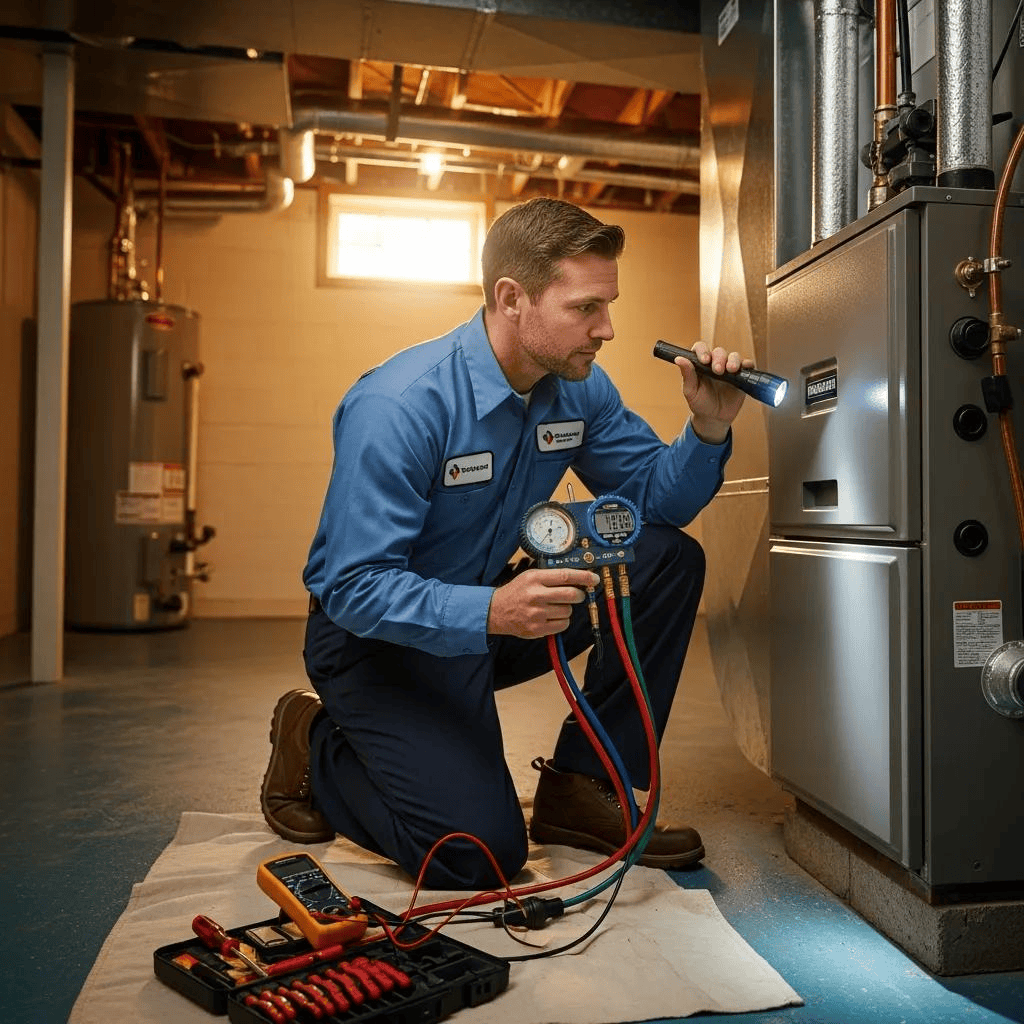
A professional HVAC inspection is a step-by-step technical review covering airflow, refrigerant, electrical, mechanical, controls, and safety systems to verify functional and safe operation. Typical inspections follow a checklist that includes visual and instrument-based checks, performance measurements, and documentation of findings along with prioritized recommendations. Technicians use diagnostic tools—manifold gauges, CO monitors, electrical meters, and airflow instruments—to confirm system parameters and identify deviations from manufacturer specifications. The process yields a service report with observed issues, recommended repairs or tune-ups, and guidance on replacement timelines.
When performed by qualified teams, inspections not only fix immediate issues but also capture data trends that support predictive maintenance and warranty documentation. Econo Air LLC’ technicians are certified and perform this full checklist as part of their diagnostic routine, ensuring consistent procedures and professional reporting for homeowners.
This compact table maps core components to the inspection actions and expected outcomes for clarity.
This checklist table helps homeowners understand what technicians evaluate and why those checks produce measurable performance benefits.
How Do Technicians Perform Safety and Carbon Monoxide Checks?

Safety checks focus on combustion appliances (furnaces, gas boilers) and electrical systems to detect hazards before they become incidents. Technicians use CO monitors to measure ambient and flue-gas CO levels, combustion analyzers to test flame efficiency, and inspection of venting and heat exchangers for cracks or blockages that can cause CO leaks. Electrical safety includes verifying secure wiring, correct amperage draw, and functioning safety controls such as limit switches and pressure switches. If readings exceed safe thresholds or a combustion fault is discovered, technicians recommend immediate corrective action to protect occupants.
These safety protocols reduce risk and connect directly to homeowner peace of mind, and documented safety checks also support insurance and warranty requirements by showing professional oversight.
How Often Should You Schedule HVAC Inspections for Optimal Performance?
Scheduling inspections seasonally or annually depends on system type, age, and household usage; a common balanced approach is an annual full inspection plus a seasonal tune-up for the system in primary use. For homes that rely mostly on cooling, a spring inspection and tune-up prepares equipment for peak summer loads, while a fall check readies heating systems for colder months. Homes with older equipment, heavy runtime, or warranty conditions may require bi-annual inspections to ensure continuous compliance and reduced failure risk. The scheduling strategy aligns inspection frequency to usage patterns and warranty needs for a pragmatic maintenance cadence.
Comparing frequencies helps homeowners decide based on system age and risk tolerance. Seasonal checks reduce emergency failures when systems are most needed, while an annual baseline inspection captures overall health and documents maintenance history for warranty and resale value.
This numbered list explains typical scheduling recommendations.
- Annual full inspection: baseline review for most homeowners before either cooling or heating season.
- Seasonal tune-ups: spring for AC systems and fall for heating systems to prevent peak-season failures.
- Bi-annual inspections: recommended for older systems, heavy-use households, or warranty requirements.
Homeowners who align inspections with seasonal load patterns reduce emergency repair likelihood and maintain more consistent efficiency across the year.
Why Are Seasonal Inspections Important for Idaho and Oregon Homes?
Seasonal inspections account for local climate patterns—hot summers in Idaho County place greater stress on air conditioning equipment, so a spring inspection ensures condensers, refrigerant levels, and airflow are optimized before peak demand. Mild winters reduce heating runtime but still require safety and combustion checks to prevent off-season failures. Seasonal checks also let technicians address issues caused by off-season dust accumulation or pollen, which can degrade coils and filters, and help schedule service windows before contractor demand peaks. For Oregon homeowners, pre-summer service is particularly valuable given local cooling load spikes.
Scheduling seasonal maintenance reduces the chance of expensive emergency service calls during heat waves and preserves system performance when it matters most to comfort and energy spend.
What Is the Difference Between Annual and Bi-Annual HVAC Inspections?
Annual inspections provide a comprehensive baseline: safety checks, performance measurement, filter checks, and a service report to document condition. Bi-annual inspections repeat these checks twice a year, offering earlier detection of developing faults, more frequent filter and coil maintenance, and closer tracking of system performance for aging equipment. The cost differential between annual and bi-annual service is offset by the reduced risk of major failures and the longer running life of components; bi-annual plans are more appropriate for high-use homes, older systems, or properties with strict warranty documentation requirements. Choosing frequency depends on system age, household occupancy patterns, and warranty/insurance terms.
This comparison clarifies the cost-benefit rationale: more frequent inspections increase upfront expense but lower the probability of costly emergency repairs and unscheduled replacements.
How Do Inspections Prevent Costly Repairs and Save Money Over Time?
Inspections prevent cost spikes by finding small faults—like low refrigerant, failing capacitors, or blocked condensate drains—before they cascade into compressor seizure or heat exchanger failure. For example, identifying a weak capacitor and replacing it early avoids motor burnout that could otherwise require a costly motor or compressor replacement. Inspections that restore airflow and reduce runtime also reduce the rate of compressor wear, deferring expensive capital replacement. Case examples show that routine maintenance can convert potential $2,000–$4,000 repairs into $100–$400 service calls.
Regular inspections thus act as a cost-control strategy, blending modest recurring expense with a substantial reduction in the probability and cost of large, unexpected repairs.
How Do Regular HVAC Inspections Help Maintain Your System Warranty and Safety?
Manufacturers commonly require documented periodic maintenance to honor warranties; routine professional inspections produce service reports and receipts that demonstrate compliance with these terms. Inspections serve as tangible proof that prescribed maintenance tasks—filter changes, annual tune-ups, and safety checks—were performed at recommended intervals, reducing the risk of denied claims for otherwise covered failures. Proper documentation also helps when selling a home, as buyers often value verified maintenance histories that transfer with property ownership. In parallel, safety inspections reduce the risk of carbon monoxide exposure, electrical fires, and mold growth by addressing combustion integrity, wiring issues, and moisture management.
A consistent documentation practice paired with professional inspection reports is therefore both a warranty safeguard and a safety strategy for occupied homes.
What Safety Risks Are Reduced by Routine HVAC Inspections?
Routine inspections reduce safety risks by detecting carbon monoxide leaks from combustion appliances, identifying frayed or overloaded electrical connections that can cause fires, and spotting moisture conditions that promote mold growth in ductwork or drain pans. Technicians measure CO levels, test safety controls and limit switches, verify proper venting and heat exchanger integrity, and check condensate drainage to prevent water accumulation. Addressing these issues early prevents occupant exposure to hazardous conditions and mitigates property damage risks. Regular safety-focused inspections therefore play a vital role in protecting both people and property.
Timely identification and correction of safety hazards translate into fewer emergencies and increased homeowner confidence in system performance.
Attract and convert potential customers by providing clear information, demonstrating expertise, and facilitating service bookings. For homeowners ready to schedule an inspection or learn more about maintenance plan options, Econo Air LLC provides inspection services performed by certified technicians and offers plan structures that emphasize efficiency, documentation for warranty support, and local responsiveness through service in Oregon and Idaho. Scheduling can be done through the company’s website or by visiting their Google Business Profile for hours and booking options.
Conclusion
Regular HVAC system inspections provide essential benefits, including enhanced energy efficiency, prolonged equipment lifespan, improved indoor air quality, and increased safety for your home. By understanding the value of these inspections, homeowners can make informed decisions that lead to significant long-term savings and peace of mind. If you're ready to optimize your HVAC system's performance, consider scheduling an inspection with Econo Air LLC today. Explore our maintenance plans to ensure your home remains comfortable and safe year-round.


